

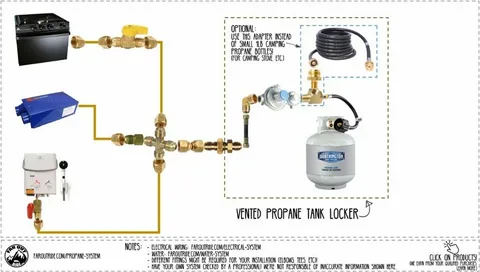
Installing a propane tank is an important step for homeowners who want a reliable, cost-effective, and energy-efficient fuel source. Propane powers everything from home heating and hot water to cooking and backup generators, making it a versatile choice for many households. However, the propane tank installation process involves several steps to ensure safety, efficiency, and compliance with regulations. By understanding the process in detail, you can feel confident about what to expect when working with a trusted provider like River Bend Propane, who specializes in safe and professional installations.
Why Professional Propane Tank Installation Matters
Propane tanks store highly flammable fuel, which means correct installation is essential for both safety and efficiency. A professional service ensures:
- Compliance with local building and fire codes.
- Proper placement for safety and accessibility.
- Leak prevention through thorough testing.
- Peace of mind with expert handling from start to finish.
Attempting a DIY installation could put your property and family at risk, so working with certified professionals is always the best choice.
Step 1: Initial Consultation and Site Evaluation
The propane tank installation process begins with a consultation. During this step, a technician will:
- Assess your home’s energy needs to determine the right tank size.
- Evaluate the property to find the safest and most convenient location.
- Discuss underground vs. above-ground tank options.
- Ensure compliance with distance requirements from buildings, property lines, and ignition sources.
This stage helps create a clear plan for the installation while addressing any homeowner concerns.
Step 2: Choosing the Right Tank Size and Type
Not all propane tanks are the same. Selecting the right size and type depends on your household usage:
- 120–250-gallon tanks: Ideal for small appliances like fireplaces, dryers, or stoves.
- 500-gallon tanks: Common for whole-home heating and multiple appliances.
- 1,000-gallon tanks: Suitable for large homes or commercial properties.
You’ll also choose between an above-ground tank, which is easier to install and maintain, or an underground tank, which is more discreet and less impacted by temperature fluctuations.
Step 3: Preparing the Installation Site
Preparation is crucial to ensure a safe and efficient installation. This step may involve:
- Clearing vegetation, debris, or obstructions.
- Excavating the site if an underground tank is chosen.
- Laying down a concrete pad or base for above-ground tanks.
- Ensuring proper ventilation and drainage around the site.
Proper preparation guarantees that the tank will remain stable and secure for years to come.
Step 4: Tank Delivery and Placement
Once the site is ready, technicians deliver and carefully place the propane tank. Specialized equipment is used to safely lift and position the tank into place. The team ensures:
- Correct orientation for easy access to valves and gauges.
- Secure placement to prevent shifting or settling.
- Compliance with spacing and clearance requirements.
For underground tanks, the tank is lowered into the excavation and covered after all connections are made.
Step 5: Connecting the Propane System
With the tank in place, technicians connect it to your home’s propane system. This step includes:
- Running gas lines from the tank to appliances.
- Installing regulators to maintain proper gas pressure.
- Adding shutoff valves for safety and maintenance.
- Ensuring lines are properly buried or secured to protect them from damage.
Each connection is made with precision to guarantee safety and performance.
Step 6: Testing and Safety Checks
Before the system can be activated, thorough testing is performed. This includes:
- Pressure testing gas lines for leaks.
- Checking all fittings, regulators, and valves.
- Verifying the tank’s integrity and proper installation.
- Ensuring compliance with safety regulations.
Only after passing these tests is the propane system considered ready for use.
Step 7: Filling the Tank and System Start-Up
After testing, the propane tank is filled with fuel for the first time. The technician will then:
- Start up appliances connected to the system.
- Confirm everything is running efficiently.
- Provide homeowners with instructions for safe operation.
This stage officially marks the transition to using propane as a reliable home energy source.
Step 8: Homeowner Education and Maintenance Guidance
An important part of the propane tank installation process is educating homeowners. A professional service provider like River Bend Propane will:
- Show you how to read gauges and monitor fuel levels.
- Explain safety precautions, such as spotting leaks or when to call for service.
- Offer maintenance tips for extending tank life.
- Provide details about delivery schedules and refill options.
This ensures you not only have propane in place but also the knowledge to use it safely and effectively.
Benefits of a Professional Installation Service
Choosing a professional propane tank installation service provides more than just convenience. It ensures:
- Long-term reliability of your propane system.
- Enhanced safety for your household.
- Efficiency in both installation and fuel usage.
- Peace of mind knowing your system meets all codes and standards.
With River Bend Propane, you’re not just installing a tank—you’re gaining a partner committed to supporting your energy needs for the long haul.
Final Thoughts
The propane tank installation process may seem complex, but with the right professionals, it becomes a smooth and stress-free experience. From consultation to final safety checks, every step is designed to ensure your propane system works efficiently and safely.
By working with trusted experts like River Bend Propane, you can enjoy the comfort, reliability, and cost savings that propane provides, without the worry of handling the details yourself.