

Propane continues to be a reliable and efficient fuel source for heating, cooking, and powering homes. If you are considering installing a propane tank, understanding the costs involved is essential for budgeting. In 2025, the propane tank installation cost depends on the size of the tank, whether it is aboveground or underground, labor, permits, and added safety features. Many homeowners choose underground tanks for their discreet appearance and durability. However, before installing a propane tank, it’s important to review both upfront costs and long-term considerations.
This guide breaks down what goes into the pricing, the differences between aboveground and underground options, and how homeowners can make informed decisions for safe and cost-effective propane use.
Why Choose an Underground Propane Tank in 2025?
An underground propane tank appeals to homeowners who want an unobtrusive energy solution. Unlike aboveground models, underground tanks are buried beneath the yard, leaving only a small dome visible. This design protects the tank from weather elements and keeps the property aesthetically pleasing.
Benefits of Underground Tanks
- Curb appeal: Virtually invisible once installed.
- Durability: Protected from extreme temperature fluctuations.
- Safety: Lower exposure to accidental damage.
Although underground tanks come with higher upfront costs, they offer long-term value that balances aesthetics, protection, and performance.
Factors That Affect Propane Tank Installation Cost
The propane tank installation cost in 2025 varies widely depending on several factors. Homeowners should consider these variables before committing to a specific system.
Size of the Tank
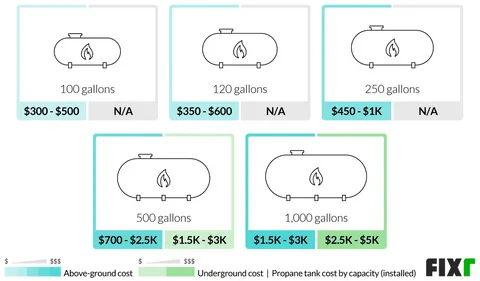
Propane tanks come in multiple sizes, ranging from 120 gallons for small appliances to 1,000 gallons for whole-house systems. Larger tanks naturally cost more due to material, excavation, and installation needs.
Location and Labor
Excavating for an underground tank requires professional equipment and skilled labor. Soil conditions, accessibility of your yard, and local permit requirements all influence total expenses.
Materials and Safety Features
In addition to the tank itself, you’ll need materials such as pipes, regulators, and protective coatings. Some local codes also require additional safety mechanisms, which may add to costs.
Ongoing Maintenance
While initial installation is the biggest expense, ongoing care is also part of the equation. Tanks should be inspected regularly to ensure safety and compliance.
Average Underground Propane Tank Cost in 2025
When it comes to budgeting, homeowners often ask: What is the average underground propane tank cost?
General Price Ranges
- 120–250 gallons: $2,000–$3,500 installed
- 500 gallons: $3,500–$5,500 installed
- 1,000 gallons: $5,500–$7,500 installed
These figures include excavation, tank placement, backfilling, and hookup. However, regional labor costs and additional requirements may raise the total.
Comparing Aboveground vs Underground
Aboveground tanks are generally 30–40% cheaper to install, but they are more visible and susceptible to wear. If property aesthetics and protection matter most, underground tanks are worth the higher investment.
Additional Expenses When Installing a Propane Tank
Even after budgeting for the main installation, homeowners should anticipate extra costs.
Permits and Inspections
Local regulations typically require permits for excavation and installation. These costs can range from $100 to $500 depending on the municipality.
Site Preparation
Uneven terrain, rocky soil, or landscaping adjustments may increase excavation expenses.
Accessories and Upgrades
High-quality regulators, longer underground piping, or advanced monitoring systems may add several hundred dollars to the total propane tank installation cost.
Propane Tank Prices in 2025
While installation costs are a major factor, the tank itself represents a large portion of the investment. The propane tank prices in 2025 vary based on size and design.
- Aboveground tanks: $600–$2,500 depending on capacity
- Underground tanks: $1,500–$4,000 before installation
It’s important to compare suppliers and ensure you’re purchasing tanks that meet safety and durability standards. Many companies provide both purchase and lease options, giving homeowners flexibility in managing expenses.
Safety Considerations for Underground Propane Tanks
Safety is always a top priority when handling propane. Installing a propane tank underground requires strict adherence to codes and standards. Regular inspections for leaks, proper ventilation, and cathodic protection systems help ensure the tank remains secure.
For homeowners who want more details on safe practices, check out the Propane Safety guide to stay informed about preventive measures.
Professional Installation and Service
Installing an underground propane tank is not a DIY project. Licensed professionals are required to handle excavation, placement, and hookups. Choosing a trusted provider ensures compliance, quality work, and long-term reliability.
For example, River Bend Propane provides expert installation and support tailored to your needs. Their Service offerings cover installation, maintenance, and repair, giving homeowners peace of mind from start to finish.
Conclusion: Is an Underground Propane Tank Worth the Cost?
In 2025, the propane tank installation cost for an underground system is higher than aboveground alternatives, but the investment pays off in aesthetics, safety, and long-term protection. For homeowners who prioritize curb appeal and durability, underground tanks are often the preferred choice.
By considering factors such as tank size, excavation conditions, propane tank prices, and local requirements, you can make a well-informed decision. Ultimately, installing a propane tank underground is about balancing upfront costs with lasting benefits for your home and lifestyle.