
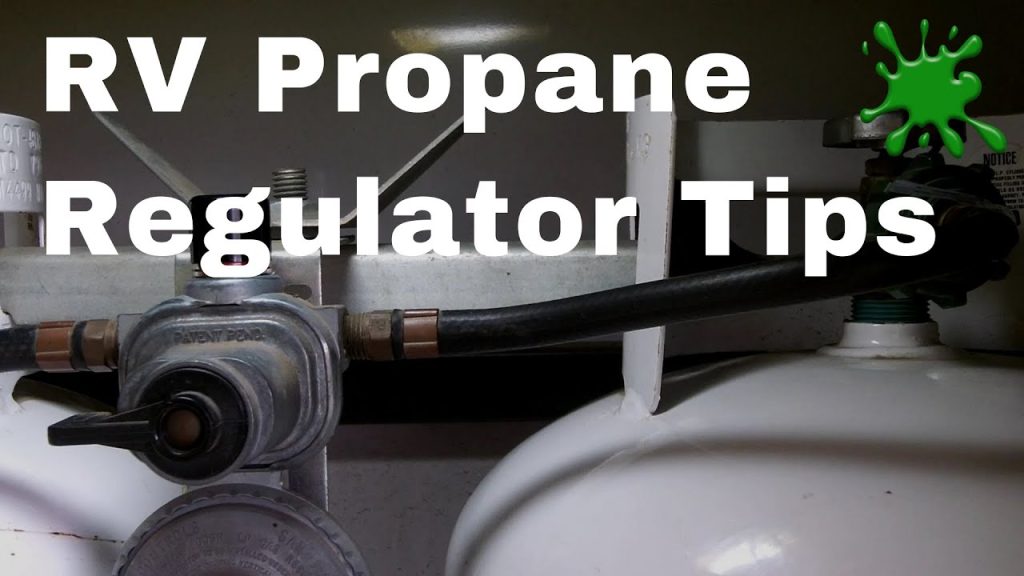
A propane regulator plays a vital role in keeping your propane system safe and efficient. It controls the flow of gas from the tank to your appliances, ensuring steady and reliable pressure. Without it, appliances could malfunction, or worse, safety hazards could occur. That’s why regularly inspecting your propane regulator is essential for every homeowner who uses propane.
Whether you are new to propane or simply want to brush up on maintenance basics, this guide will walk you through everything you need to know. From understanding the role of a regulator to testing propane regulators, you’ll gain practical insights to keep your system running smoothly.
Why Inspecting a Propane Regulator Matters
Over time, regulators can wear down due to exposure to weather, moisture, or general usage. If ignored, this can lead to performance issues or safety risks.
Common Issues with Regulators
- Rust or corrosion on the regulator body
- Unusual odors around the tank or regulator
- Appliances not functioning correctly
- Hissing sounds that may indicate leaks
By catching these issues early, you can avoid costly repairs and maintain safe propane usage in your home. For additional insights, review guidelines on propane safety to better understand the importance of regular checks.
Understanding How a Propane Regulator Works
Before diving into inspection steps, it helps to know the function of a regulator.
The Role of a Regulator
A regulator reduces the high pressure of propane gas stored in your tank to a manageable level for your appliances. This process ensures consistent delivery, no matter how much gas is in the tank.
Single-Stage vs Two-Stage Regulators
- Single-stage regulators: Reduce tank pressure in one step. Often used in small setups.
- Two-stage regulators: Provide more stable output, ideal for residential systems.
Think of it like balancing water flow from a faucet. Without a proper regulator, the pressure would be too high, damaging appliances or creating hazards.
Steps for Testing Propane Regulators
When it comes to testing propane regulators, the process should be done carefully and systematically.
Basic Visual Inspection
- Look for cracks, dents, or corrosion.
- Ensure the vent is not blocked by dirt, ice, or insects.
- Check for hissing sounds that could indicate leaks.
Functional Check
- Light an appliance and observe flame consistency.
- Weak or fluctuating flames may signal regulator issues.
These checks help determine whether your regulator is performing properly or if professional assistance is needed.
How to Test a Propane Regulator Safely
Learning how to test a propane regulator is an important skill for propane users. While advanced diagnostics should be left to professionals, there are safe steps homeowners can follow.
Soap and Water Method
- Mix soap with water in a spray bottle.
- Spray the solution around regulator connections.
- If bubbles form, this indicates a gas leak.
Pressure Gauge Method
- Attach a gauge to measure propane regulator pressure.
- Readings outside the recommended range signal potential problems.
By combining these methods, homeowners can detect both visible and hidden issues with their system.
When to Replace or Service a Propane Regulator
Even with regular inspections, regulators do not last forever.
Signs You Need a Replacement
- Regulator is more than 10 years old
- Frequent appliance malfunctions
- Persistent odors of propane near the regulator
Professional Propane Service
If you notice these signs, contact a trusted provider for help. Professional propane service ensures your system is inspected, repaired, or replaced correctly. Attempting complex repairs on your own can be unsafe.
Propane Tank Regulator Considerations
Homeowners may also encounter the term propane tank regulator. This refers to the same essential component, but emphasizes its placement at the tank itself. Regardless of what it’s called, the function remains the same—regulating safe gas flow.
When choosing replacements, always select regulators designed for your specific tank size and household needs.
Safety and Long-Term Maintenance
Inspecting regulators should be part of your regular propane maintenance routine. Here are some helpful practices:
Ongoing Safety Tips
- Keep the regulator vent facing downward to prevent water entry.
- Protect the regulator from direct exposure to extreme weather.
- Avoid painting or covering the regulator, as this can block ventilation.
Routine checks not only extend the life of your regulator but also keep your home safe. For trusted expertise, consider turning to River Bend Propane, a provider committed to safety and reliable energy solutions.
Conclusion – Stay Safe by Inspecting Regularly
Inspecting a propane regulator may not take long, but it makes a significant difference in ensuring your system runs safely and efficiently. By performing visual checks, learning how to test a propane regulator, and scheduling professional support when needed, you protect your home and loved ones.
Whether you are handling simple checks or calling for professional assistance, regular attention to this small but vital component can save money, improve efficiency, and keep your propane system operating with confidence.